
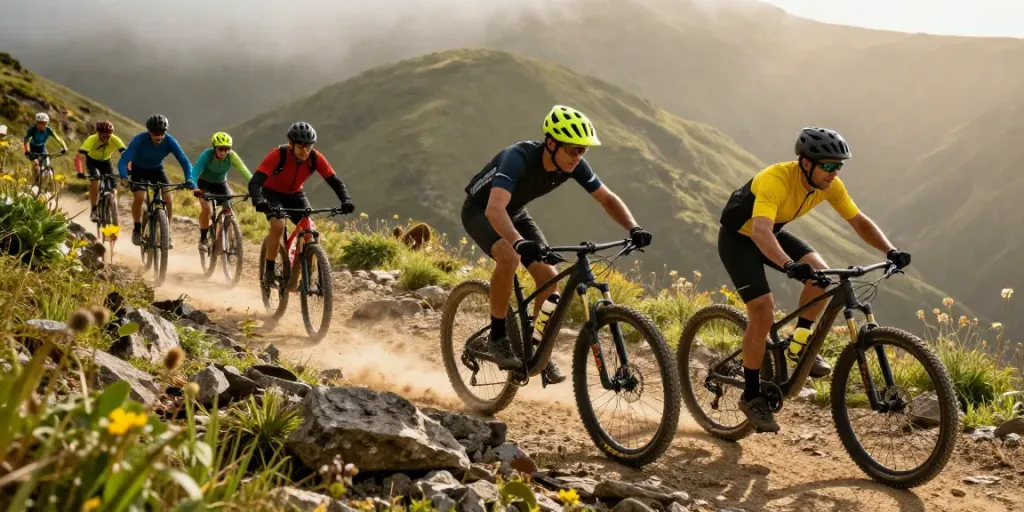
Understanding Corridori Dynamics
The world of competitive cycling is both exhilarating and complex, particularly for mountain biking enthusiasts. As we approach the 2026 World MTB Championships, the spotlight is on elite corridori who will face intense challenges and fierce competition. This article dissects the dynamics of top cyclists, examining what defines them, the skills required, and how modern technology plays a vital role in their performance.
What Defines a Top Corridore?
A top corridore is not merely a skilled cyclist but also a strategic thinker and an exceptional athlete. The combination of physical prowess, technical expertise, and mental resilience shapes their performance. In events such as the Mondiali MTB and Vuelta 2026, it is often the riders who blend these elements seamlessly that clinch victory.
Physical and Technical Skills Required
To succeed, a corridore must possess an array of physical abilities, including endurance, strength, and agility. Training regimens typically focus on building cardiovascular fitness, muscular strength, and flexibility. Additionally, technical skills such as bike handling, navigation over rough terrain, and tactical racing strategy are paramount. Riders are constantly adapting their techniques on descents, climbs, and technical sections to maintain speed and efficiency.
Importance of Equipment in Performance
In the highly competitive arena of mountain biking, the significance of quality equipment cannot be overstated. The advancements in bike technology, such as lightweight materials, suspension systems, and aerodynamics, directly contribute to a corridore's performance. Moreover, the choice of tires, gear ratios, and even the bike's geometry can drastically affect how effectively a cyclist can navigate challenging courses.
Key Factors in Evaluating Performance
Understanding a corridore's performance requires a comprehensive approach that considers race strategy, terrain challenges, and physical metrics. Evaluating these factors can offer insights into what separates the elite from the budding talents in the sport.
Analyzing Race Strategy
A well-crafted race strategy is essential for competing in events like the Vuelta a España. Successful corridori often study their competitors and analyze previous races to develop a game plan, balancing the need for energy conservation with the risk of aggressive tactics. This strategic planning can significantly influence the outcome, as seen in events where riders time their attacks and breakaways to maximize their chances for success.
Impact of Terrain on Performance
The terrain plays a crucial role in determining race outcomes. Mountain courses featuring steep ascents and technical descents require specific skills and strategies. Climbers excel in uphill battles, while strong descenders can capitalize on downhill legs. Analyzing previous editions of the Vuelta reveals how certain riders dominate under specific conditions, revealing the importance of terrain familiarity and adaptability.
Monitoring Physical Metrics During Races
Advancements in technology have made it possible for teams to monitor a corridore’s performance through various metrics, such as heart rate, power output, and GPS data. This information not only helps in real-time decision-making but also plays a vital role in post-race analysis, allowing teams to adjust their training and strategy more effectively.
Case Studies of Successful Corridori
Looking at the performances of past champions provides valuable lessons for aspiring corridori. The 2026 World Championships are an opportunity to analyze how elite athletes approach competition under pressure and adapt to various challenges.
Examining 2026 World Championships Results
The 2026 World Championships featured numerous intriguing performances, highlighting the capabilities of corridori representing their nations. Key figures such as Mathieu van der Poel and his fierce competitor, Jenny Rissveds, not only showcased their physical talents but also their strategic acumen.
Notable Performances and Their Insights
In the recent MTB championships, standout performances from athletes like Adrien Boichis demonstrate how preparation and in-race adaptability can deliver incredible results. Boichis's calculated approach to the short track event led him to victory, while Laura Stigger’s impressive finish exemplified the growing talent on the world stage.
Lessons from Emerging Talents
Emerging talents, such as Andreas Leknessund, have shown that with the right combination of training and race experience, they can challenge established athletes. Leknessund’s solitary victory in the Vuelta illustrates the importance of mental tenacity and the ability to seize opportunities during competition.
Challenges Faced by Corridori
While the thrill of competition is undeniable, corridori often face significant challenges that can impact their performance and careers. Identifying these issues is crucial for developing strategies to overcome them.
Common Injury Risks and Prevention
Injuries are a common concern in cycling, with overuse injuries, crashes, and acute injuries presenting significant risks. Strategies for injury prevention include proper training regimens, adequate rest, and attention to proper bike fit. Moreover, awareness of common injuries such as tendonitis, knee pain, and fractures is essential for a long, successful career.
Physical vs. Mental Barriers
Beyond physical challenges, mental barriers can also impede performance. The pressure to perform at high levels can lead to anxiety and stress, which can influence a corridore's focus and efficiency. Strategies such as visualization, mindfulness, and mental rehearsal can significantly benefit athletes in managing performance anxiety.
Equipment Malfunctions and Their Effects
Technical malfunctions can be devastating during races. Failure of critical equipment, such as brakes or gear systems, can lead to accidents or loss of race position. Proper maintenance and pre-race checks are vital for mitigating these risks. Riders must remain adaptable, quickly assessing equipment issues during a race to continue competing effectively.
Future Trends in Mountain Biking
As we look towards the future, mountain biking is poised for transformative changes that will shape the sport for years to come. Innovations in training, technology, and competition formats are all on the horizon.
Innovative Technologies Enhancing Performance
Emerging technologies, such as advanced analytics, wearables, and virtual training programs, are revolutionizing how athletes train and prepare for competition. For instance, real-time performance tracking during events allows teams to make data-driven decisions, enhancing race strategies.
Upcoming Competitions and Their Impacts
The cycling calendar for 2026 is packed with thrilling events, each presenting unique challenges and opportunities for corridori to showcase their skills. Major competitions like the Vuelta a España and World Championships are set to attract global attention, with implications for athlete contracts and sponsorships.
2026 and Beyond: Evolving Training Methods
Training methodologies continue to evolve, with a greater emphasis on cross-discipline training, recovery techniques, and nutrition. Incorporating strength and flexibility training alongside traditional cycling practices is becoming crucial for developing well-rounded athletes capable of excelling in various racing conditions.
What are the Benefits of Evaluating Performance?
Evaluating performance is essential for identifying areas of improvement, setting realistic goals, and tailoring training programs. The insights gained from performance assessments can be transformative, enabling athletes to reach their full potential.
What Metrics Should Be Used for Assessment?
Key metrics for assessing performance include average speed, power output, heart rate variability, and lap times. Using a combination of these metrics allows for a comprehensive view of an athlete's performance and helps establish benchmarks for improvement.
How to Develop a Training Plan for Corridori?
Developing an effective training plan involves understanding the individual needs of the corridore, analyzing race schedules, and incorporating varied training methodologies. Goals should be set based on specific races, allowing for targeted training phases that build strength, speed, and endurance.
What Equipment is Essential for Competitive Performance?
For competitive performance in mountain biking, a high-quality bike, appropriate gear, and safety equipment are necessary. Cyclists should invest in bikes that suit their riding style, ensuring they provide optimum performance across varied terrains.
How to Stay Motivated as a Corridore?
Staying motivated is paramount for any athlete. Setting achievable goals, participating in group rides, and seeking support from coaches and fellow cyclists can significantly enhance motivation levels. Engaging with the cycling community and sharing experiences also fosters enthusiasm for the sport.